Take part in eco-volunteering projects in Argentina, in the heart of unspoilt natural areas. You’ll be involved in practical initiatives to protect the environment and support local communities. An immersive and meaningful experience that allows you to make a real difference whilst discovering Argentina’s rich cultural and ecological heritage.
Book nowEco-volunteering projects in Argentina, in the heart of unspoilt natural areas
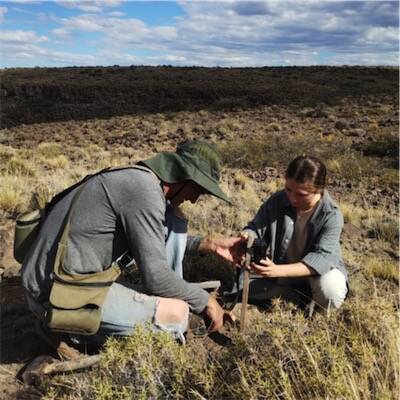
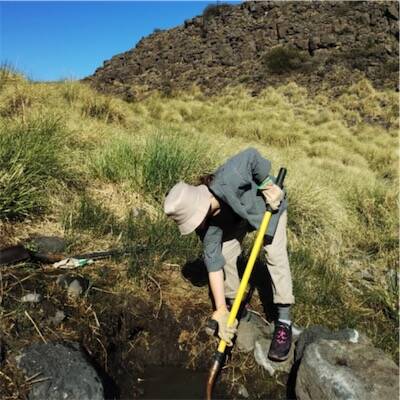
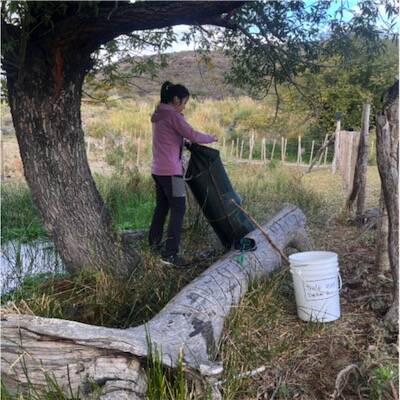
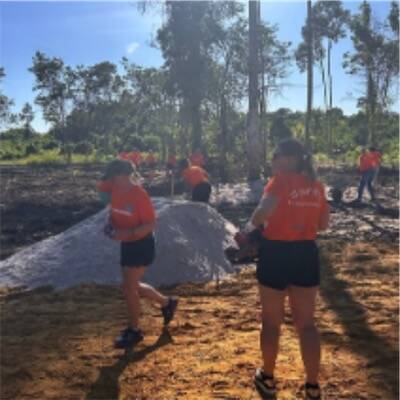
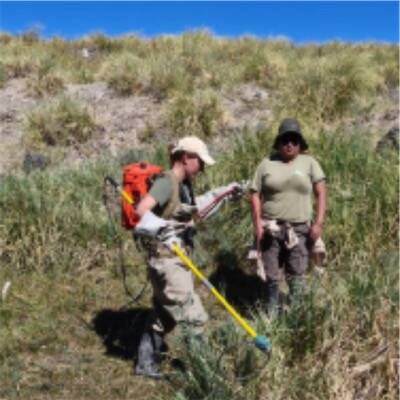
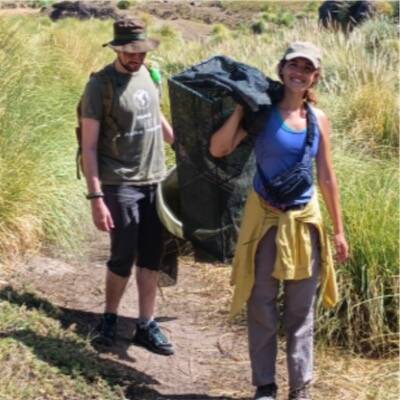
The volunteer programme involves monitoring biodiversity (amphibians, fish, birds, mammals and vegetation) in accordance with scientific protocols, as well as habitat restoration and management: protecting water sources, maintaining fenced-off areas, constructing fish barriers and managing threats. Volunteers also contribute to coexistence with carnivores by supporting livestock guard dogs, night enclosures and best practices that avoid hunting and the use of poison. Education and awareness-raising are at the heart of the project, with workshops, low-impact guided outings, photographic monitoring and support for signage and trails. Finally, tasks include data entry, equipment maintenance, preparation for field trips and upkeep of the station (cleaning, pruning, access and signage).
Available all year round. The best time to visit Patagonia is between October and April.
2 weeks minimum.
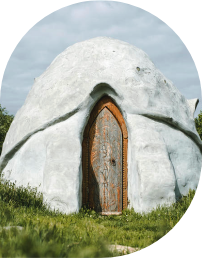
The main accommodation will be at the Kau-Yat research station, located in the Chipauquil area, 70 km from the town of Valcheta, to the north-east of the Somuncura Plateau. Kau-Yat serves as a base of operations for the activities of the Somuncura Foundation as well as for other research and conservation projects in Patagonia. The space is shared with the head of the research station, researchers from other projects, as well as technical staff and occasional visitors. During the volunteer placement, field trips may be organised and it may be necessary to camp.
Available all year round
1 month
325,00 €
The site is located in the Chipauquil area, 70 km from the town of Valcheta, to the north-east of the Somuncura plateau.
The 2 weeks placement
600€ 1 month.
Criteria:
The facilities at Kau-Yat include drinking water, standard toilet facilities, a hot shower, a washing machine, a fridge, a gas hob and heating. During your stay, you will share a room with other volunteers. The rooms are equipped with single beds and storage space for personal belongings.
Meals generally consist of stews, soups, rice, noodles, bread, sausages, and dishes made with potatoes and meat (mainly lamb and beef). Ingredients are limited in the field, as is the case with any rustic camp kitchen. Fresh fruit and vegetables are not always plentiful or easy to find.
The menu for the volunteering period will be set in advance, but some flexibility will always be possible. Meals are prepared by all members of the station, including volunteers. Manuals explaining how to prepare each dish are available in the kitchen.
If you have any food intolerances or dietary restrictions, you must take the necessary precautions during your stay. It is important to note that in Patagonia, it is difficult to follow a vegan or meat-free diet, as meat is the main source of protein. However, this should not prevent you from participating in the volunteer programme.
There is no mobile phone network at the Research Station. Satellite internet access is available, but is subject to power cuts. In the event of a power cut at the Research Station, the nearest internet access point is 5 km away, at Chipauquil School. Service interruptions are frequent (due to wind, local issues or even night-time power cuts at certain times of the year). Please consider whether the lack of access to communications would cause you significant problems.
Please contact us by email to receive the full information.
The climate in Patagonia can be extreme, with strong winds and significant daily temperature fluctuations: temperatures can range from around zero degrees on some nights to over 30 degrees during the day. Generally speaking, the weather in March is mainly mild and windy, with a mix of cold and warm days. There is still plenty of sunshine; this is why it is essential to have suitable clothing and equipment to work comfortably outdoors and avoid problems associated with the region’s climate.



specialized in participatory tourism

+ de 20 ans d’expérience
Since 2005

+ de 200 voyageurs
Every year

Authentic encounters
Live with locals

+ de 45 destinations
Around the world
Tous droits réservés Aliore © 2025 • Mentions légales • Réalisé par NOMA 